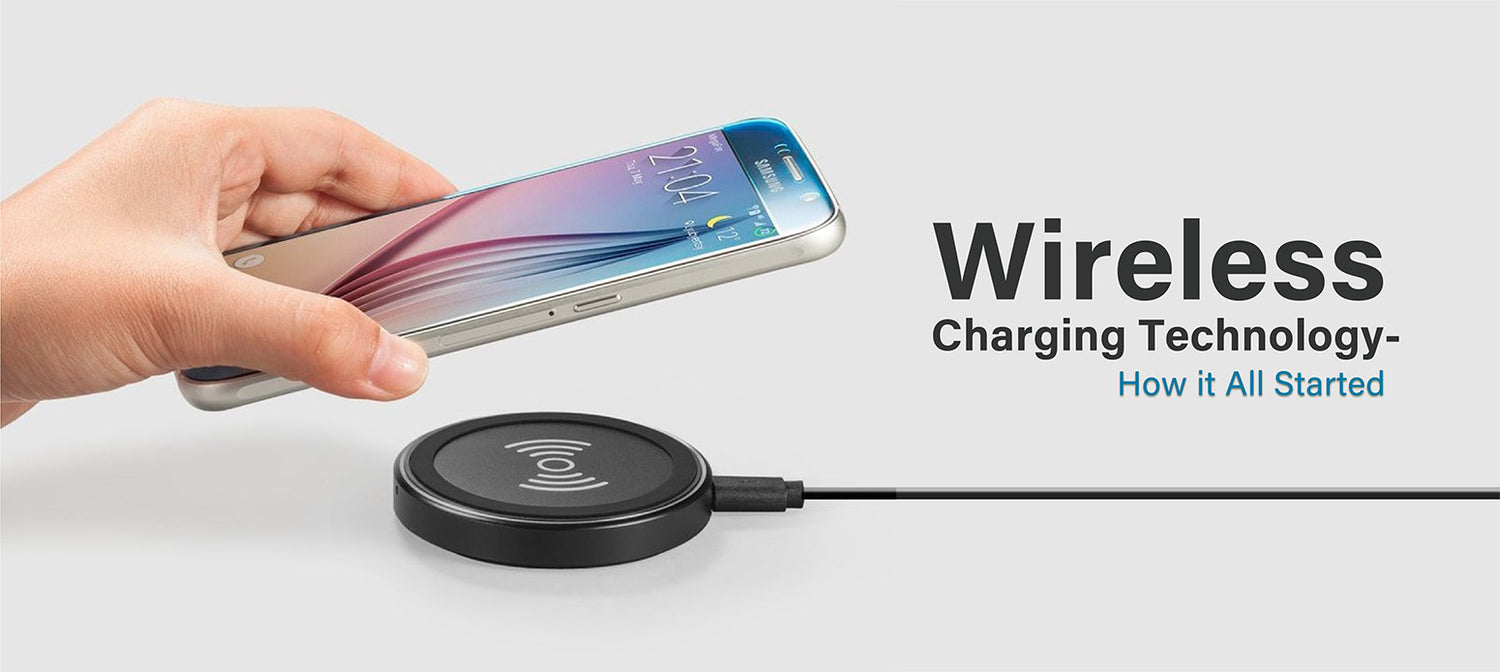
The Convenience of Wireless Charging: How It Can Simplify Your Daily Routine
The convenience of wireless charging has revolutionized the way we power our devices, making it easier than ever to stay connected throughout the day. Imagine waking up in the morning and simply placing your smartphone on a charging pad as you sip your coffee, rather than fumbling with tangled cords and searching for an outlet. This technology not only streamlines the charging process but also minimizes wear and tear on charging ports, prolonging the life of your devices. With the ability to charge multiple gadgets at once, such as your phone, smartwatch, and wireless earbuds, a wireless charging station can significantly declutter your workspace or bedside table.
By integrating wireless charging into your daily routine, you can free up time and mental energy for more important tasks. No longer do you have to remember to bring charging cables with you on the go; simply carry a portable wireless charger in your bag, and you're set. Moreover, with the increasing availability of public places equipped with wireless charging pads, you can effortlessly boost your device's battery while you relax at a café or during your commute. Ultimately, the simplicity of wireless charging not only enhances convenience but also contributes to a more organized and efficient lifestyle.
Counter-Strike is a highly competitive first-person shooter game that has become a staple in the gaming community. Players are divided into teams, typically terrorists and counter-terrorists, and must complete objectives such as planting or defusing bombs. For gamers seeking reliable tech accessories, check out the Top 10 magsafe power banks that enhance your gaming experience on the go.
Is Wireless Charging Safe? Debunking Common Myths
As more devices adopt wireless charging technology, questions about its safety have emerged. Many people wonder if charging their smartphones or other devices without a physical connection poses any health risks. In fact, extensive research has been conducted on this topic, and the consensus among experts is that wireless charging is safe. The technology utilizes electromagnetic fields to transfer energy, similar to how radio waves or microwaves operate, but at much lower frequencies. Thus, the exposure levels are well below the safety limits set by various health organizations.
Despite the assurances from health professionals, several common myths persist regarding wireless charging. One prevalent myth is that it can cause overheating in devices. While it's true that wireless charging may generate some heat during operation, reputable charging pads are designed with safety features to prevent excessive heat buildup. Additionally, another myth suggests that using wireless charging can harm battery life. In reality, modern smartphones are equipped with smart battery management systems that optimize the charging process, ensuring that devices charge efficiently without negatively impacting battery longevity.
The Future of Power: Why Wireless Charging is Revolutionizing Technology
The future of power is rapidly evolving with the advent of wireless charging technology, which is set to revolutionize how we interact with our devices. Gone are the days of tangled cords and limited mobility; wireless charging allows for seamless power delivery to smartphones, laptops, and other gadgets through inductive charging. As more manufacturers integrate wireless charging capabilities into their products, the convenience and accessibility of this technology are becoming undeniable. This shift not only enhances user experience but also paves the way for advancements in other fields like electric vehicles and smart homes.
Moreover, the rise of wireless charging opens up new possibilities for innovation and sustainability. With the potential for smart charging stations and the integration of renewable energy sources, wireless charging could contribute to a more eco-friendly technology landscape. Imagine urban areas being equipped with roads that charge electric vehicles while they drive, or public spaces featuring charging pads that power devices wirelessly. As we look towards the future, the impact of wireless charging is poised to be transformative, not just for individual users but for society as a whole.