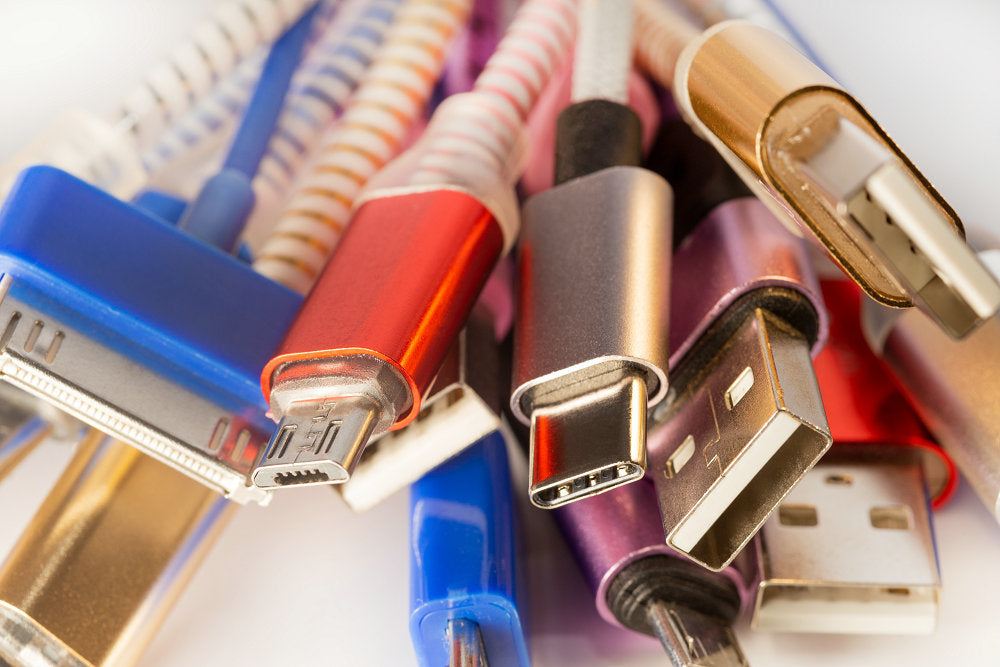
The Hidden Role of Cables in Our Digital Lives
The digital landscape we navigate daily relies on an array of elements that often go unnoticed, one of the most crucial being cables. From the moment we connect our devices to the internet to the exchange of data between servers, cables play a foundational role in ensuring seamless connectivity. Without them, our smartphones, laptops, and smart home devices would be rendered useless. Whether it’s the familiar USB cables we use or the fiber optic cables that facilitate high-speed internet, the invisible threads of connectivity are woven into the fabric of our online experiences.
Moreover, the importance of cables extends beyond mere connectivity; they also influence the performance and reliability of our devices. For instance, a poorly constructed cable can lead to data loss, slower download speeds, and even damage to electronic devices. To fully appreciate the intricacies of our digital interactions, we must recognize that the efficiency of modern technology hinges on the quality of these often-overlooked components. In essence, the next time you plug in your device, consider the hidden role of cables in shaping your digital life.
Counter-Strike is a popular team-based first-person shooter that has captivated gamers for years. It requires strategic thinking, teamwork, and quick reflexes to succeed. Players can enhance their travel experience with Top 10 Travel Electronics Organizers that help keep their gaming gear organized while on the go.
How Everyday Wires Power Your Home and Devices
Everyday wires play a crucial role in powering our homes and the various devices we rely on daily. These wires, typically made of copper or aluminum, are responsible for transporting electricity from power sources to our appliances, lighting, and electronics. Without these wires, our modern lifestyle would be nearly impossible. In most electrical systems, you will find three main types of wires: supply wires, which bring electricity into a home; circuit wires, which distribute power to outlets and fixtures; and ground wires, which ensure safety by directing excess current away from devices and reducing the risk of electrical shock.
As households become increasingly dependent on technology, understanding how wires work within our power systems becomes essential. For instance, most devices require alternating current (AC) to operate efficiently, and this is where everyday wires come in. They convert and deliver electricity from the local grid to your gadgets. In many residential wiring systems, the use of color-coded wires, such as black for hot wires, white for neutral, and green or bare for ground, helps to ensure a safe and organized setup. By appreciating the significance of these common yet vital components, homeowners can make informed decisions about electrical safety and efficiency in their daily lives.
What Types of Cables Do You Really Need for Your Technology?
When it comes to setting up your technology, understanding the types of cables you need is essential for optimal performance. One of the most common types is the HDMI cable, which is crucial for transmitting high-definition video and audio signals between various devices, such as TVs, gaming consoles, and computers. Additionally, USB cables play an important role in connecting peripherals like printers, external hard drives, and smartphones to your devices. Depending on your requirements, you might also consider Ethernet cables to ensure a stable internet connection, especially for gaming or extensive online activities.
Another vital category of cables is the power cables. These are necessary for supplying electricity to your devices, whether it’s a laptop, desktop, or smart home gadget. Furthermore, you may encounter specialized cables like optical cables, which are great for transmitting audio signals over long distances without signal loss, making them ideal for home theater setups. To ensure you're adequately equipped, assess your devices and their connectivity requirements, so you're not left scrambling to find the right cables when setting up your technology.