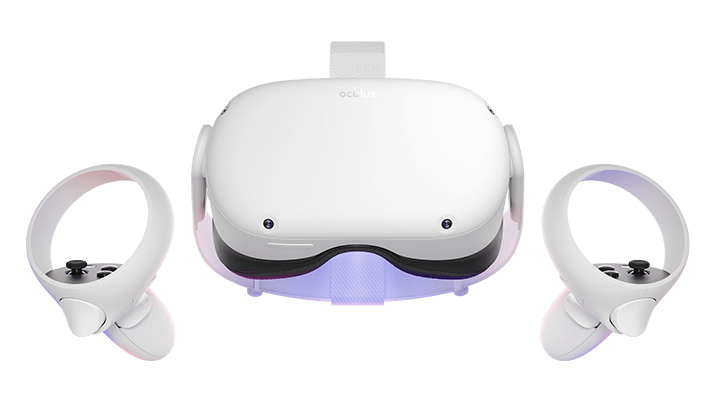
Understanding the Basics: What is Virtual Reality and How Does It Work?
Virtual Reality (VR) is an immersive technology that allows users to experience and interact with a computer-generated environment as if they were physically present in it. Leveraging advanced hardware such as VR headsets and motion controllers, VR creates a sense of presence by simulating a three-dimensional space where users can navigate and manipulate digital objects. Typically, the experience is enhanced by audio and visual feedback, making it increasingly realistic. As VR technology advances, it's being utilized in diverse fields ranging from gaming and education to healthcare and training simulations.
At its core, Virtual Reality works through a combination of various technologies. The primary components include:
- Head-Mounted Displays (HMDs): These devices, such as the Oculus Rift and HTC Vive, cover the user's eyes and provide a stereoscopic view of the virtual world.
- Motion Tracking: Sensors and cameras track the user's movements, enabling them to look around and interact with the environment naturally.
- Input Devices: Controllers and gloves allow users to perform actions within the virtual space, enhancing the level of interaction.
Counter Strike is a popular multiplayer first-person shooter game that has captivated players since its inception. It revolves around the battle between terrorists and counter-terrorists in various game modes. Players can enhance their gaming experience with various gear and technology, including the Top 10 apple vision pro accessories that can improve performance and immersion.
Exploring the Impact of Virtual Reality on Modern Gaming and Entertainment
Virtual Reality (VR) has revolutionized the landscape of modern gaming and entertainment, immersing players in dynamic worlds that were once the realm of science fiction. By providing an experience that engages multiple senses, VR has transformed traditional gameplay into an interactive journey. Player engagement has drastically increased as they don headsets and step into vibrant digital environments that respond to their every move. This profound level of immersion enhances not only the enjoyment but also the emotional connection players have with the game, leading to an evolution in how stories are told and experienced.
The impact of VR extends beyond gaming, influencing the broader entertainment industry. From virtual concerts to interactive film experiences, creators are harnessing the technology to offer unique ways for audiences to participate. For instance, VR platforms allow users to attend live performances from the comfort of their homes, experiencing the thrill of concerts or movie premieres in an entirely new way. As the technology continues to advance, we can anticipate even more innovative uses for VR, further reshaping how we consume and engage with entertainment.
Can VR Change How We Experience Education and Training?
Virtual Reality (VR) has the potential to revolutionize the way we approach education and training. By creating immersive environments, VR can enhance learning experiences, making them more engaging and interactive. Students can explore complex subjects, such as anatomy or physics, through simulated environments that allow for hands-on practice without the risks associated with real-world experiments. For instance, medical students can perform virtual surgeries, giving them a chance to learn from mistakes without the fear of harming patients. This shift towards experiential learning could lead to better knowledge retention and improved skills.
Moreover, VR can bridge the gap between theory and practice. In traditional classrooms, students often struggle to relate theoretical concepts to real-world applications. With VR technology, training modules can be customized to simulate real-life scenarios relevant to various fields, including aviation, engineering, and healthcare. For example, flight simulators provide pilots with the opportunity to practice maneuvers in a safe environment, enhancing their readiness for actual flights. As educational institutions continue to adopt these technologies, we may witness a significant transformation in how we prepare learners for the workforce, ultimately leading to more competent professionals across industries.