The Ultimate Guide to Choosing an Ergonomic Chair for Maximum Comfort
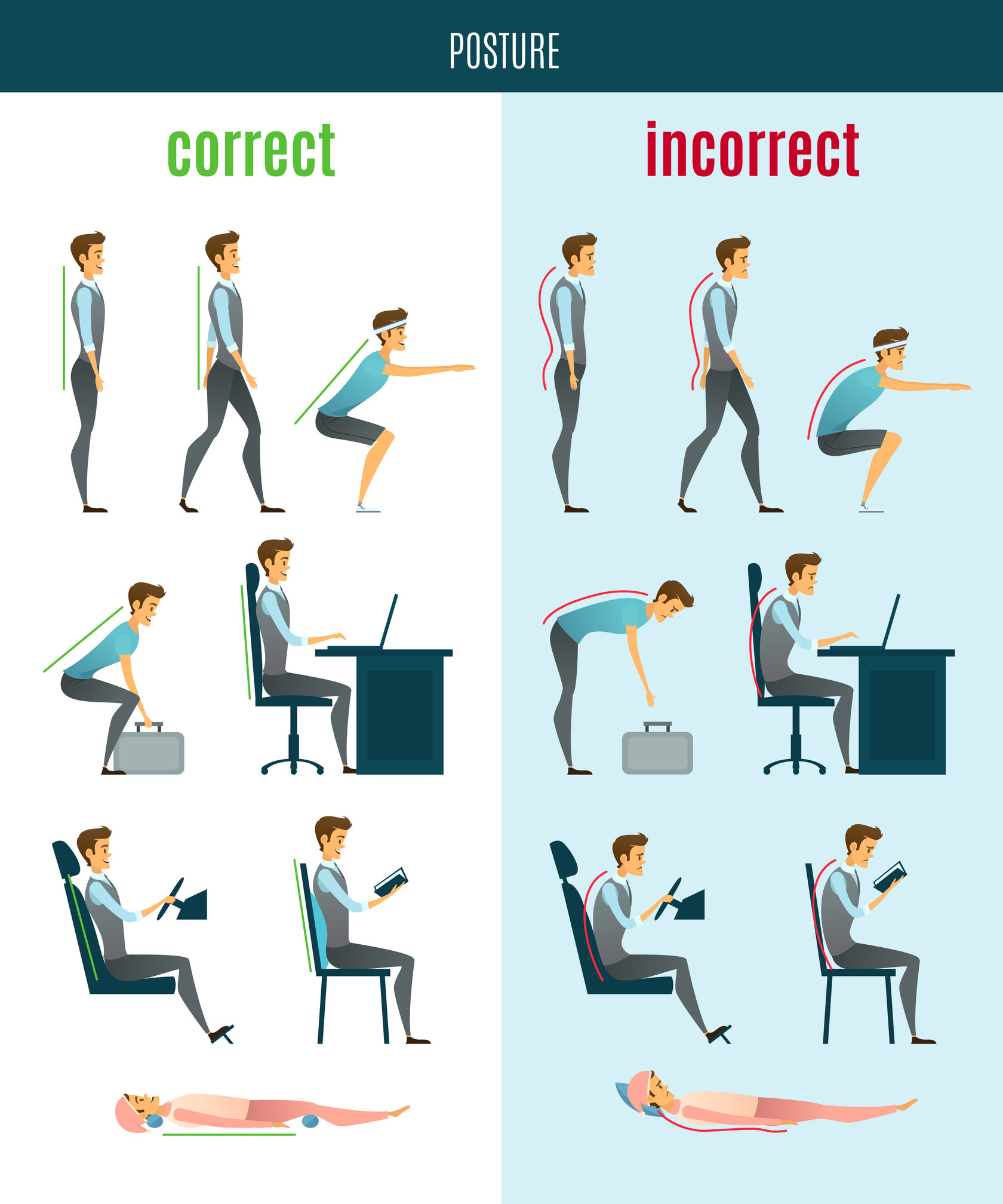
Choosing the right ergonomic chair is crucial for anyone who spends long hours seated, whether for work or leisure. An ergonomic chair is designed to support your body’s natural posture, reducing strain on your back, neck, and shoulders. When selecting an ergonomic chair, consider factors such as adjustability, materials, and lumbar support. A chair that allows adjustments in height, armrest position, and backrest angle can significantly enhance your comfort level, making it easier to maintain focus and productivity throughout the day.
To further assist you in your decision-making, here are some key features to look for when choosing an ergonomic chair:
- Adjustable Seat Height: Ensures your feet are flat on the ground, promoting good posture.
- Lumbar Support: Provides necessary support for your lower back, preventing common discomfort.
- Material Quality: Opt for breathable fabrics that offer durability and comfort.
- Armrest Adjustment: Allows your arms to rest comfortably without straining your shoulders.
With these considerations in mind, you can confidently choose an ergonomic chair that will enhance your comfort and well-being.
Counter-Strike is a popular tactical first-person shooter game where players compete in teams to accomplish objectives. The game emphasizes teamwork and strategy, making it a favorite among competitive gamers. For those spending long hours playing, it's important to consider using the Top 10 Phone Accessories for Eye Strain to help reduce fatigue and improve comfort during gameplay.
5 Essential Ergonomic Tips to Boost Your Productivity at Work
In today's fast-paced work environment, ergonomics plays a crucial role in enhancing productivity and ensuring employee well-being. By adopting ergonomic practices, you can minimize discomfort and reduce the risk of injury, ultimately allowing you to focus on your tasks. Here are five essential ergonomic tips to help you boost your productivity at work:
- Invest in a Quality Chair: A well-designed chair that supports your posture can make a significant difference. Look for features like lumbar support and adjustability to ensure optimal comfort during long hours.
- Adjust Your Desk Height: Your workstation should allow your knees to be at a right angle. This prevents strain on your back and promotes better blood circulation.
- Maintain Proper Screen Distance: Your computer screen should be at eye level and about an arm's length away. This reduces eye strain and encourages good posture.
- Take Regular Breaks: Schedule short breaks to walk around and stretch. This can help alleviate fatigue and keep your mind fresh.
- Practice Good Typing Techniques: Keep your wrists straight and your hands at or below elbow level while typing. This reduces the risk of repetitive strain injuries.
Is Your Desk Setup Causing You Pain? Here's How to Create a Comfort Zone
In today's digital age, many people spend hours at their desks, often neglecting the impact of their desk setup on their physical well-being. Poor ergonomics can lead to a range of issues, including neck pain, back discomfort, and wrist strain. To assess whether your current setup is contributing to your pain, consider evaluating critical elements such as your chair height, monitor position, and keyboard alignment. By making a few strategic adjustments, you can transform your workspace into a comfort zone that supports your health and productivity.
To create an optimal workspace, follow these essential tips:
- Chair Adjustments: Ensure your chair provides proper lumbar support and is set at a height that allows your feet to rest flat on the floor.
- Monitor Height: Position your monitor so the top of the screen is at or just below eye level to reduce neck strain.
- Keyboard and Mouse Placement: Keep your keyboard and mouse close to each other and at elbow height to minimize wrist tension.