What is Ergonomics and Why Does It Matter for Your Comfort?
Ergonomics is the scientific study of people at work, focusing on how to design tasks, workspaces, and environments that maximize comfort, efficiency, and safety. By understanding the physical and cognitive capabilities of individuals, ergonomics helps create solutions that reduce the risk of injuries, such as repetitive strain or musculoskeletal disorders, and enhances overall productivity. Whether you’re working in an office, a manufacturing plant, or remotely, applying ergonomic principles can mean the difference between a day filled with discomfort and one where you can focus on your tasks effectively.
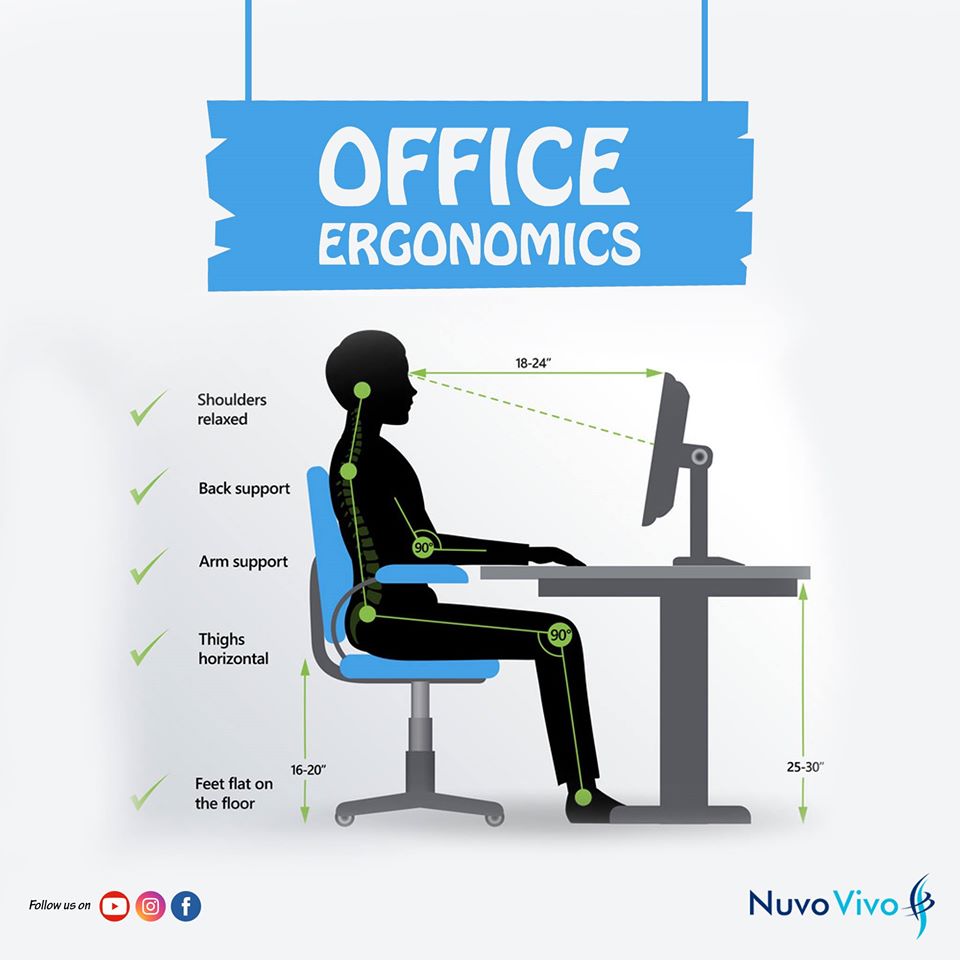
Integrating ergonomic practices into your daily routine is essential for comfort and well-being. There are several key elements to consider when optimizing your environment:
- Posture: Maintain a neutral body position while sitting or standing to support your spine.
- Workstation layout: Arrange your desk, chair, and screen so that they promote natural movement and reduce strain.
- Breaks: Take regular breaks to stretch and change positions, which can help prevent fatigue.
By prioritizing ergonomics, you enhance your comfort and can significantly boost your productivity and health in the long run.
Counter-Strike is a popular tactical first-person shooter game that has captivated millions of players worldwide. Known for its team-based gameplay, it emphasizes strategy and skill. Players can enhance their gaming setup with various tools, like the Top 10 Desk Accessories for Productivity, to improve their performance and comfort while playing.
Top 5 Ergonomic Tips for Your Home Office Setup
Creating an effective home office setup is essential for productivity and comfort. Here are the top 5 ergonomic tips to help you optimize your workspace:
- Invest in a Quality Chair: A comfortable, adjustable chair that supports your lower back is crucial for maintaining good posture during long hours of work.
- Adjust Your Desk Height: Ensure your desk is at a height that allows your elbows to form a 90-degree angle while typing, reducing strain on your shoulders and wrists.
- Monitor Placement: Position your monitor so that the top of the screen is at or just below eye level. This prevents neck strain and encourages proper sitting posture.
In addition to the essentials mentioned, remember these important considerations for a healthier workspace:
- Use Ergonomic Accessories: Consider using a keyboard and mouse designed for ergonomic efficiency to minimize wrist strain.
- Take Regular Breaks: Implement the 20-20-20 rule: every 20 minutes, look at something 20 feet away for at least 20 seconds to reduce eye strain.
By following these ergonomic tips, you can create a home office setup that promotes comfort and productivity.
How to Identify and Prevent Common Ergonomic Injuries
Identifying common ergonomic injuries is crucial for maintaining a healthy workspace and preventing long-term damage. Many employees experience discomfort or pain due to poor posture, repetitive motions, or improper workstation setups. The most prevalent ergonomic injuries include carpal tunnel syndrome, lumbar strain, and neck pain. To spot these issues early, pay attention to warning signs such as persistent aches, fatigue in the muscles, and reduced range of motion. Regular assessments of your workspace can help in noticing these symptoms before they escalate.
Preventing ergonomic injuries involves making simple yet effective adjustments to your daily routines and work environments. Start by ensuring that your chair provides adequate lumbar support and that your desk is set at a height that promotes good posture. Consider incorporating stretch breaks into your day, aiming for at least five minutes every hour to increase circulation and relieve tension. Utilize ergonomic tools, such as curved keyboards or wrist supports, to minimize strain on your body. Taking these proactive steps can lead to a healthier work experience and significantly reduce the risk of injury.