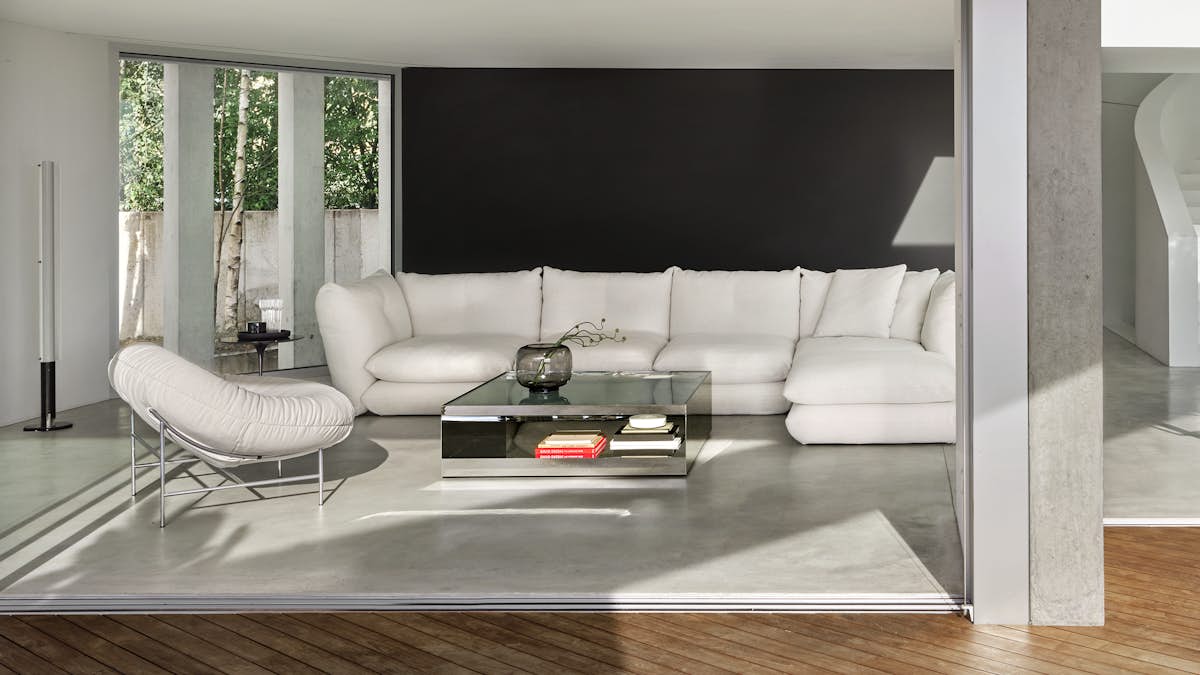
The Timeless Craft: Exploring the Artistry Behind Antique Furniture
Antique furniture represents more than just practicality; it embodies a rich historical context and showcases the artistry of generations past. Craftsmen dedicated countless hours to hone their skills, resulting in pieces that not only served a purpose but also delivered aesthetic pleasure. The intricate details, from hand-carved embellishments to the choice of premium woods, highlight the timeless craft that went into each creation. Whether it's a Victorian-era sideboard or a rustic farmhouse table, these items provide a glimpse into the artistry of their time, making them treasured possessions for collectors and enthusiasts alike.
Beyond their beauty, antique furniture also tells stories of bygone eras, reflecting the cultural and social values of their time. The preservation of these pieces has become a passionate endeavor, drawing attention to the sustainability aspects of choosing vintage over mass-produced items. When engaging with antique furniture, one appreciates not just the craftsmanship, but also the legacy of the artisans who dedicated their lives to their trade. Exploring the world of antique furniture opens up avenues for discussion about artistry, history, and the environmental benefits of embracing timeless designs.
Counter-Strike is a popular multiplayer first-person shooter that pits teams against each other in various objective-based game modes. Players can choose to be part of the terrorist or counter-terrorist sides, and they must utilize teamwork and strategy to achieve their objectives. For those setting up their gaming space, it's essential to have the right tools, which is why you should check out the Top 10 Home Office Essentials to enhance your gameplay experience.
From Forest to Living Room: The Journey of Sustainable Furniture
The journey of sustainable furniture begins deep in the heart of our forests, where responsible logging practices emerge as a cornerstone of eco-friendly manufacturing. Unlike conventional wood harvesting, sustainable logging focuses on maintaining the health of the forest ecosystem while ensuring a continuous supply of quality materials. In this process, trees are selectively harvested, allowing the forest to thrive and regenerate. Sustainable furniture makers prioritize alternative materials such as reclaimed wood, bamboo, and organic textiles, providing consumers with choices that minimize their environmental impact. This commitment to sustainability not only helps reduce deforestation but also supports local economies and artisans who craft these beautiful pieces.
As the raw materials make their way to production facilities, the emphasis on eco-conscious practices continues. Many sustainable furniture manufacturers utilize eco-friendly finishes, non-toxic adhesives, and renewable energy sources to reduce their carbon footprint. After the furniture is crafted, it undergoes stringent quality checks to ensure durability and longevity, which is essential for reducing waste over time. Finally, once these resilient pieces are ready to grace our homes, they embark on a journey to the living room—transforming spaces into stylish yet responsible sanctuaries. By choosing sustainable furniture, consumers not only enhance their home aesthetics but also contribute positively to our planet's future.
What Stories Do Your Furniture Pieces Hold? Uncovering Their Hidden Histories
Every piece of furniture in our homes carries a unique narrative, reflecting not just the style preferences of the previous owners but also the hidden histories of the eras they hail from. From antique armoires that may have once adorned a 19th-century Parisian boudoir to sleek, modern sofas designed during the technological boom of the early 2000s, these items serve as vessels for stories that shape our understanding of history. Uncovering these tales can turn a mundane living space into a story-filled haven where each piece acts as a conversation starter, inviting guests to explore the secrets of the past.
To start unraveling the hidden histories of your furniture, consider the following steps:
- Research: Look into the maker's mark, materials, and construction methods to pinpoint an item’s origin.
- Ask: Speak with family members or previous owners to gather anecdotes or memories associated with the piece.
- Document: Keep a record of your findings to create a narrative that connects each item to its rich past.