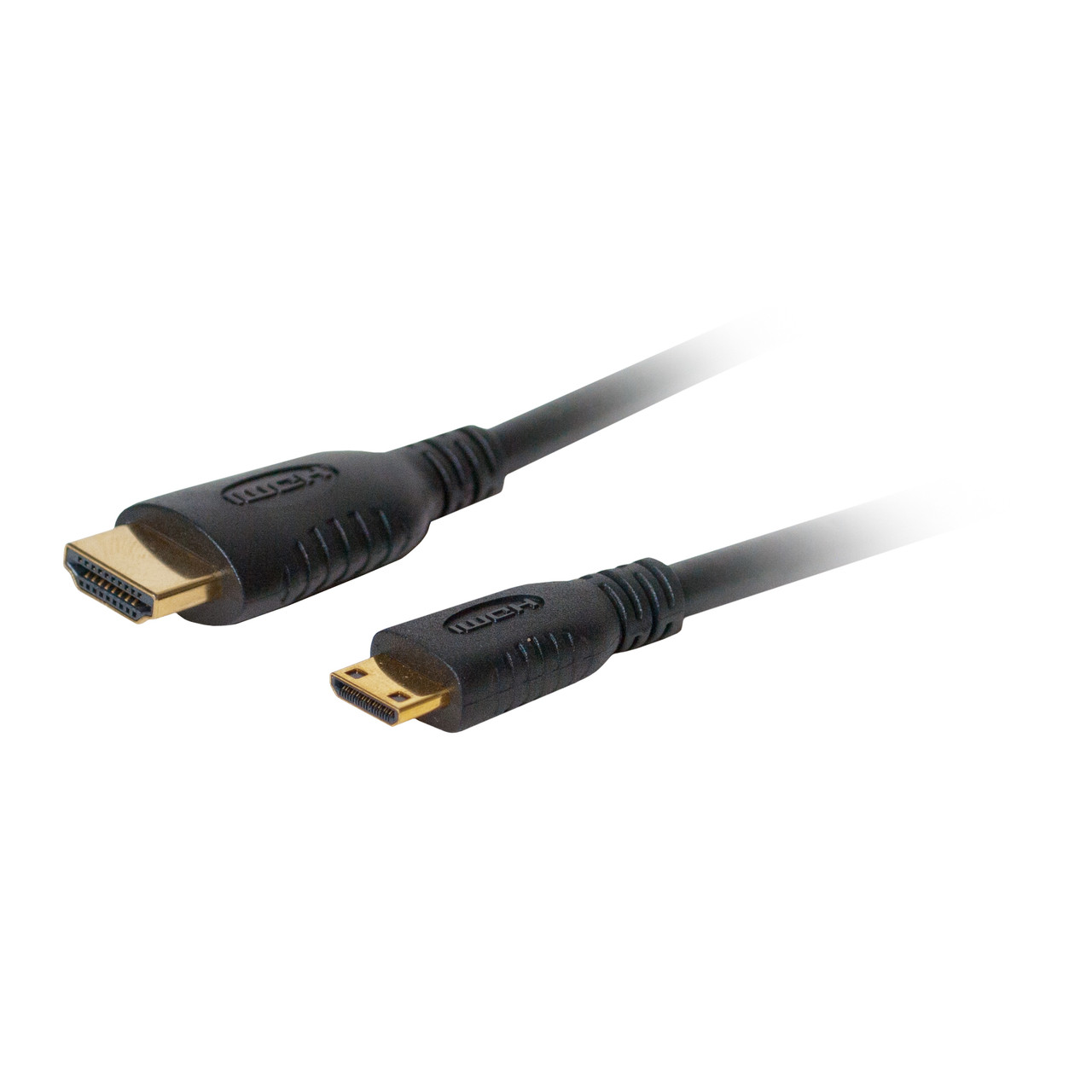
How HDMI Cables Transform Your Home Theater Experience
HDMI cables have revolutionized the way we experience home theater systems by providing seamless connectivity and superior audio-visual quality. With the ability to transmit both high-definition video and multi-channel audio through a single cable, HDMI eliminates the clutter of multiple wires and enhances the aesthetic appeal of your entertainment setup. Whether you’re streaming your favorite shows or playing the latest video games, the clarity and depth of sound offered by HDMI cables create an immersive experience that traditional connections simply cannot match.
Furthermore, many modern devices are equipped with advanced features that utilize HDMI technology, such as 4K resolution and HDR support, which dramatically improve the visual quality of your content. Investing in high-quality HDMI cables not only ensures optimal performance but also future-proofs your system as technology evolves. Consider upgrading to the latest specifications, such as HDMI 2.1, to take full advantage of features like variable refresh rates and enhanced audio return channels, further transforming your home theater into an extraordinary viewing environment.
Counter-Strike is a popular tactical first-person shooter game that emphasizes teamwork and strategy. Players can choose to be part of either the terrorist or counter-terrorist teams, working to complete objectives or eliminate the opposing team. For those looking to enhance their viewing experience, check out the Top 10 apple tv streaming accessories to find the perfect gear.
The Ultimate Guide to Choosing the Right HDMI Cable
When it comes to choosing the right HDMI cable, understanding the different types available is crucial. HDMI cables come in several categories, including standard, high-speed, and premium high-speed cables. Each type offers varying levels of performance, which can affect video quality, audio transmission, and overall functionality. To simplify your decision-making process, consider the following factors:
- Resolution: Determine the maximum resolution you need, whether it’s 1080p, 4K, or even 8K.
- Length: Measure the distance between your devices to ensure you select a cable that provides adequate reach without compromising signal quality.
- Features: Check if you need additional features like Ethernet support or Audio Return Channel (ARC).
Another essential aspect of selecting the perfect HDMI cable is understanding certification standards. Look for cables that are HDMI certified, as these have undergone rigorous testing to guarantee performance. Additionally, consider the brand reputation; opting for well-established manufacturers can significantly improve your chances of getting a reliable product. Finally, don’t forget to read reviews and comparisons to see how different cables perform in real-world settings, which can provide invaluable insights before making your purchase.
Common HDMI Cable Myths Debunked: What You Really Need to Know
When it comes to HDMI cables, there are numerous myths that can easily mislead consumers. One common misconception is that all HDMI cables are the same, which is far from the truth. While the basic function of transmitting high-quality audio and video remains constant across all HDMI cables, differences in construction and capabilities can significantly affect performance. For example, cables that are labeled as 'high-speed' can support higher resolutions and refresh rates, making them a better choice for 4K and HDR content. Understanding these distinctions can help you make informed choices, particularly when setting up your home theater system.
Another prevalent myth is that more expensive HDMI cables always deliver better performance. This belief stems from the assumption that cost correlates directly to quality; however, many affordable options provide identical functionality. HDMI 2.0 and 2.1 standards outline the specifications necessary for optimal performance, meaning that as long as a cable complies with these standards, it will work effectively for its intended purpose. Therefore, it’s essential to look for cables certified for your specific needs rather than automatically opting for the priciest version available.