Top 10 Power Tools Every DIY Enthusiast Should Own
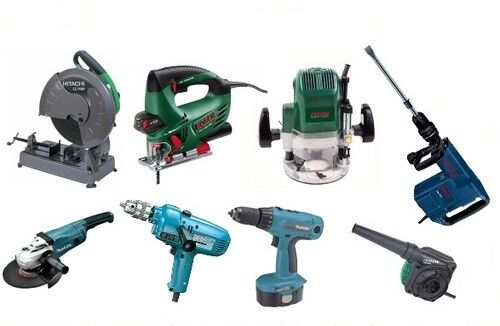
For anyone embarking on DIY projects, having the right tools can make all the difference. Here are the top 10 power tools that every DIY enthusiast should own:
- Drill/Driver: A versatile tool essential for drilling holes and driving screws. Whether you're assembling furniture or hanging shelves, a good quality drill is a must.
- Saw: A circular saw or a jigsaw is crucial for making precise cuts in various materials. Choose one based on the types of projects you plan to tackle.
- Sander: Perfect for smoothing surfaces, a power sander saves time and effort compared to manual sanding.
- Router: This is excellent for shaping edges and creating decorative profiles on woodwork.
- Impact Driver: An impact driver significantly increases torque for driving large screws or bolts with ease.
- Reciprocating Saw: Ideal for demolition projects, a reciprocating saw cuts through various materials quickly and efficiently.
- Angle Grinder: Useful for cutting, grinding, and polishing, an angle grinder is invaluable in any workshop.
- Table Saw: For larger cutting tasks, a table saw delivers precision and versatility, making it a staple for woodworking enthusiasts.
- Oscillating Multi-Tool: This multi-functional tool is perfect for intricate tasks like sanding, scraping, and cutting in tight spaces.
- Power Washer: Essential for cleaning outdoor spaces like patios and driveways, a power washer makes tough cleanup jobs simple.
Counter Strike is a popular tactical first-person shooter game that started as a mod for Half-Life in 1999. It focuses on team-based gameplay, where players assume the roles of either terrorists or counter-terrorists in various game modes. To excel in this game, having precise tools is essential. For those looking to improve their general DIY skills at home or in their gaming setups, check out the Top 10 Rechargeable Electric Screwdrivers. Counter Strike has evolved through numerous iterations, with global competitions and a massive esports scene, making it a staple in the gaming community.
How to Choose the Right Power Tool for Your Next Project
Choosing the right power tool for your next project can significantly impact the efficiency and quality of your work. Begin by assessing the specific needs of your project. Are you tackling a DIY home improvement task or a professional renovation? Consider the materials you will be working with; for example, a cordless drill is perfect for wood, while a circular saw is ideal for cutting through thicker materials like plywood. Making a list of the tasks you need to complete can help you narrow down your options effectively.
Once you have a clear understanding of your project requirements, it’s essential to consider the power tool’s features. Look for factors such as battery life, weight, and ergonomics. Additionally, read customer reviews and check for warranties, as these can reflect the tool's reliability and performance. If possible, visit a store to get a feel for the tools. Testing them in person may help you make a more informed decision that aligns with your project goals.
The Ultimate Guide to Power Tool Safety: Tips for DIYers
Power tools can significantly enhance your efficiency and creativity as a DIYer, but they also come with their own set of risks. To ensure your safety while working with these tools, it’s crucial to follow some basic guidelines. First and foremost, always read the manufacturer's instructions before operating any power tool. Familiarizing yourself with the specific operational and safety features of each tool can prevent accidents and ensure you use them correctly. Additionally, wearing appropriate personal protective equipment (PPE) such as safety goggles, ear protection, and dust masks is vital to safeguarding against injuries.
Another important aspect of power tool safety is maintaining a clean and organized workspace. Cluttered areas can lead to trips and falls, while scattered tools can cause injuries. Here are a few key tips to keep in mind:
- Inspect tools regularly for any signs of wear or damage, and replace them as necessary.
- Keep cords away from sharp edges to prevent cuts and electrical hazards.
- Ensure proper ventilation in your work area, especially when using tools that produce fumes.
By following these tips, you can minimize risks and enjoy a productive DIY experience.