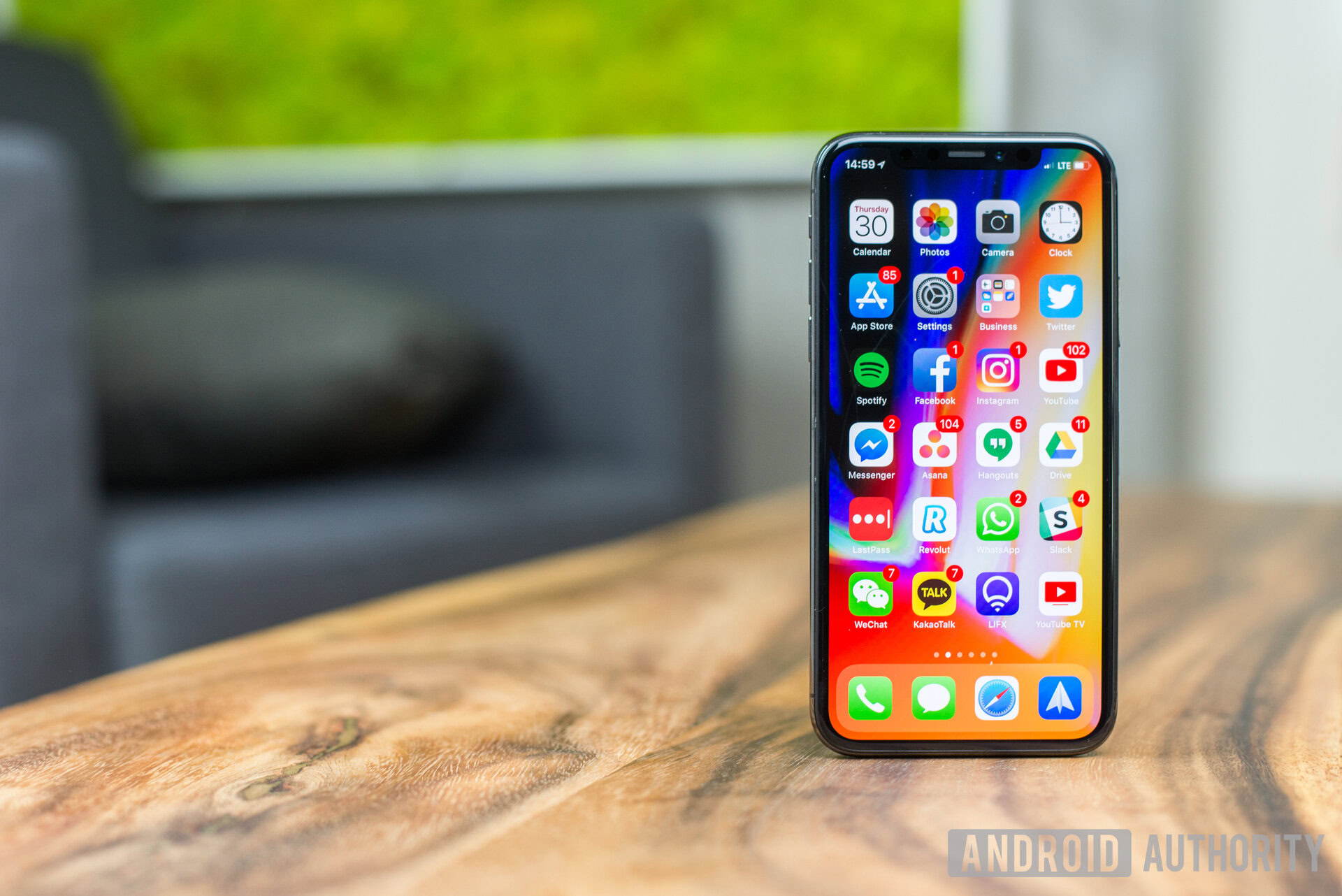
How Smartphones Have Evolved: A Journey Through Time
The evolution of smartphones has been nothing short of revolutionary, transforming how we communicate, work, and live our daily lives. Starting from the very first mobile phones in the 1980s, which were primarily used for voice calls, technology has advanced rapidly. The introduction of the smartphone in the late 1990s marked a significant shift with devices like the IBM Simon, which combined phone functionality with basic computing features. Today, we are witnessing a technological renaissance with smartphones equipped with powerful processors, high-definition displays, and advanced software capabilities. This timeline clearly illustrates the remarkable journey smartphones have undertaken, as they have become essential tools in our personal and professional lives.
As we delve deeper into this evolution, it's essential to acknowledge the milestones that shaped the modern smartphone landscape. Here are some key developments:
- 2007: The launch of the first iPhone revolutionized the smartphone market, introducing a touch interface and an app ecosystem.
- 2010: The rise of Android further intensified competition, providing more options for consumers and developers alike.
- 2020: The advent of 5G technology has set the stage for faster connectivity, enhancing the capabilities of smartphones beyond imagination.
In conclusion, the journey of smartphones is a testament to human ingenuity and the insatiable quest for innovation, with each advancement paving the way for a more connected world.
Counter-Strike is a popular first-person shooter game known for its team-based gameplay and strategic depth. Players can choose to fight as terrorists or counter-terrorists, engaging in various game modes that test their skills in teamwork and precision. For gamers looking to enhance their mobile experience while playing, be sure to check out the Top 10 Samsung Galaxy Ultra Accessories that can improve performance and convenience.
The Future of Smartphones: What Can We Expect in the Next Decade?
The future of smartphones is poised for revolutionary changes in the next decade, driven by rapid advancements in technology and evolving consumer needs. One major trend we can expect is the integration of artificial intelligence (AI) into everyday devices. From AI-powered personal assistants that can anticipate our needs to enhanced camera capabilities that learn and adapt to various settings, these innovations will make our smartphones more intuitive and user-friendly. Moreover, the rise of 5G technology is set to transform connectivity, enabling faster download speeds and more reliable connections, which will further enhance the functionality of mobile applications and services.
Another significant development on the horizon is the emergence of foldable and flexible screens. Manufacturers are already experimenting with various designs that allow smartphones to be more versatile than ever before. Imagine a device that can transform from a compact smartphone into a tablet with just a flip or that can wrap around your wrist as a smartwatch. Alongside this, sustainability is becoming increasingly important, with many companies exploring eco-friendly materials and production methods. As we look forward to the next decade, the smartphone industry will likely continue to prioritize both innovation and environmental responsibility, paving the way for a more interconnected and sustainable future.
What Makes Smartphones Our Ultimate Time Traveling Device?
Smartphones have revolutionized the way we access information, making them our ultimate time traveling device. With just a few taps on a glass screen, we can access an extensive archive of human knowledge, culture, and history. Imagine being able to instantly read about ancient civilizations or watch documentaries about historical events that occurred centuries ago. This immersive experience allows us to travel through time and witness events that shaped our world, all from the palm of our hand. Furthermore, the integration of augmented reality (AR) technology enables users to overlay historical events onto real-world locations, enriching our understanding of different eras.
Moreover, smartphones serve as personal time capsules, documenting our daily lives through photographs, videos, and social media updates. Each snapshot captures a moment in time, allowing us to reflect on our past experiences and share them with others. Apps like Google Photos or Timehop take this a step further by presenting us with memories from previous years, essentially providing a timeline of our lives. In this way, smartphones not only connect us to the past but also help shape our future by allowing us to learn from our history and personal journeys.