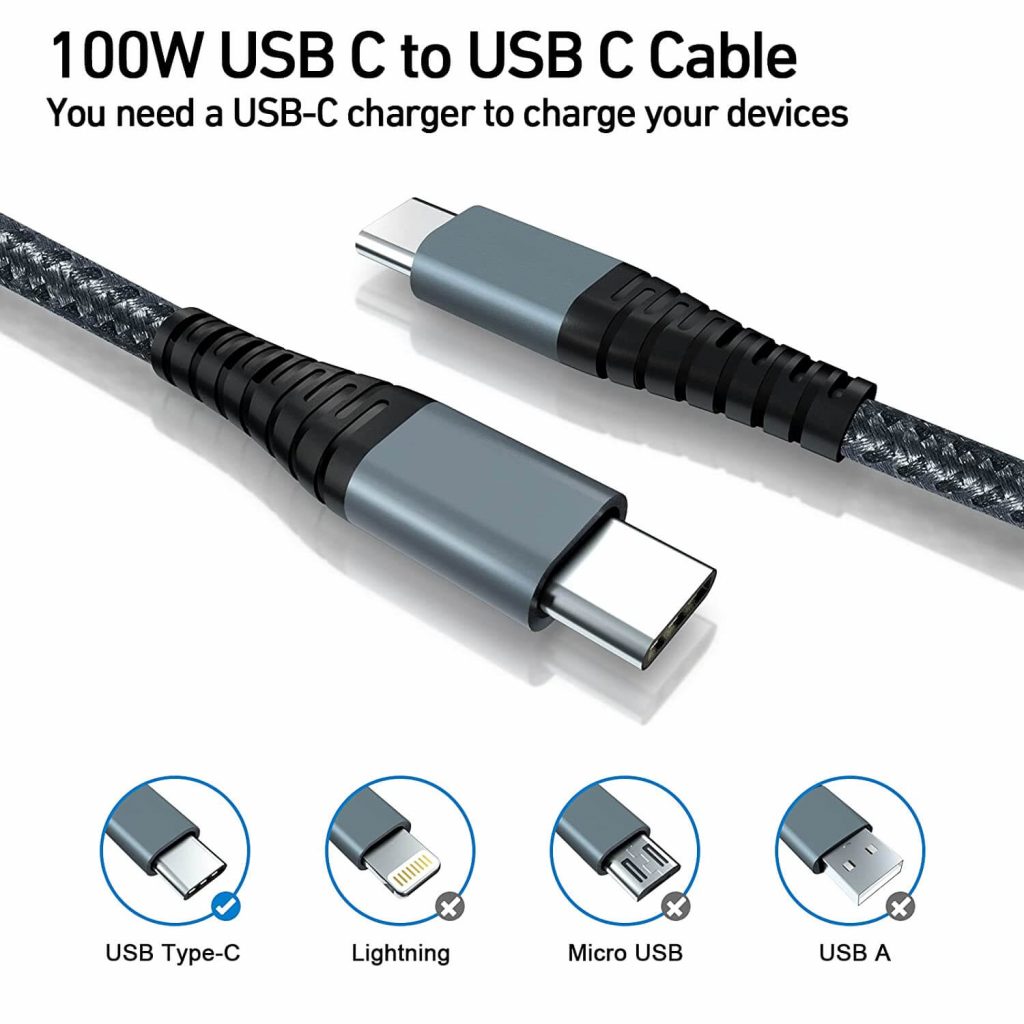
The Future of Connectivity: Why USB-C is Essential for Every Device
The future of connectivity is rapidly evolving, and USB-C stands at the forefront as a universal solution for all devices. Gone are the days of struggling with multiple cables and adapters. With its reversible design and robust data transfer capabilities, USB-C is essential for creating a streamlined digital ecosystem. Whether it's smartphones, laptops, tablets, or accessories, this single connector simplifies charging and data sharing across a diverse array of devices, making it not only convenient but also efficient.
Moreover, the adoption of USB-C is gaining momentum as more manufacturers embrace its versatility. As the technology advances, we can expect to see improved charging speeds and higher data rates, thus enhancing user experience. The integration of USB-C in various gadgets not only makes them more functional but also sets the stage for future innovations in device interconnectivity. In this increasingly interconnected world, USB-C is not just an option; it’s a necessity for every device to thrive.
Counter-Strike is a highly competitive first-person shooter game that pits teams of terrorists against counter-terrorists in a tactical environment. Players can choose various weapons and strategies to complete objectives such as bomb defusal or hostage rescue. For programmers and gamers alike, having the right gear can enhance the coding experience, so check out the Top 10 Accessories for Coding with MacBook for optimal productivity.
Top 5 Reasons to Switch to USB-C for All Your Charging Needs
In today's fast-paced world, having the right charging solution is crucial for staying connected and productive. One of the most compelling reasons to switch to USB-C for all your charging needs is its universal compatibility. Unlike previous connector types, USB-C can charge a wide range of devices, from smartphones and tablets to laptops and accessories. This means you can simplify your charging setup with just a single type of cable, ensuring that you always have the right charger on hand. Additionally, USB-C supports faster charging, so you can spend less time tethered to an outlet and more time enjoying your devices.
Another significant advantage of adopting USB-C is its support for data transfer speeds. With the USB 3.1 standard, USB-C can deliver data transfer rates of up to 10 Gbps, making it ideal for transferring large files quickly and efficiently. Furthermore, the reversible design of the USB-C connector enhances ease of use—no more fumbling to plug in your devices. As more manufacturers adopt USB-C as the standard charging interface, making the switch not only prepares you for future technology trends but also reduces electronic waste by minimizing the number of different cables you need. Switching to USB-C is not just a convenience; it's a smart choice for a more sustainable tech ecosystem.
What You Need to Know About USB-C Compatibility and Accessibility
USB-C compatibility has become increasingly important with the proliferation of devices using this universal connector type. Initially designed to replace a myriad of cables and connectors, USB-C provides a single solution for charging, data transfer, and connecting peripherals. However, not all USB-C ports are created equal. For instance, some devices may support only basic data transfer speeds, while others are capable of delivering power and supporting higher data transfer rates such as USB 3.1 or Thunderbolt 3. It's crucial to understand the specific capabilities of your device’s USB-C port, as compatibility issues can arise when connecting devices that support different versions of USB-C specifications.
Moreover, accessibility is another key factor to consider with USB-C technology. As more manufacturers transition to USB-C ports, it promotes a more cohesive user experience, reducing the need for multiple adapters and simplifying the daily use of technology. However, users should be aware of the accessibility challenges that can arise—from the physical usability of the ports to software support across different operating systems. It's important to look for devices that include features such as USB-C docks or dongles that can enhance usability, particularly for users with disabilities. In conclusion, understanding both the compatibility and accessibility aspects of USB-C will ensure you make informed decisions when investing in new technology.