Understanding DeFi Betting: How It Works, What's Different, and Common Pitfalls to Avoid
Decentralized Finance (DeFi) betting revolutionizes traditional online gambling by leveraging blockchain technology to create a more transparent, secure, and user-controlled environment. Unlike centralized platforms where a single entity holds your funds and dictates odds, DeFi betting operates on smart contracts, immutable code that automatically executes bets and payouts when conditions are met. This eliminates the need for intermediaries, reducing fees and increasing trust. Key differences include permissionless access – anyone with a crypto wallet can participate – and provable fairness, as the underlying smart contract logic is publicly auditable. Furthermore, many DeFi betting protocols integrate with decentralized oracles to fetch real-world data, ensuring accurate and tamper-proof outcomes for sports, elections, and other events.
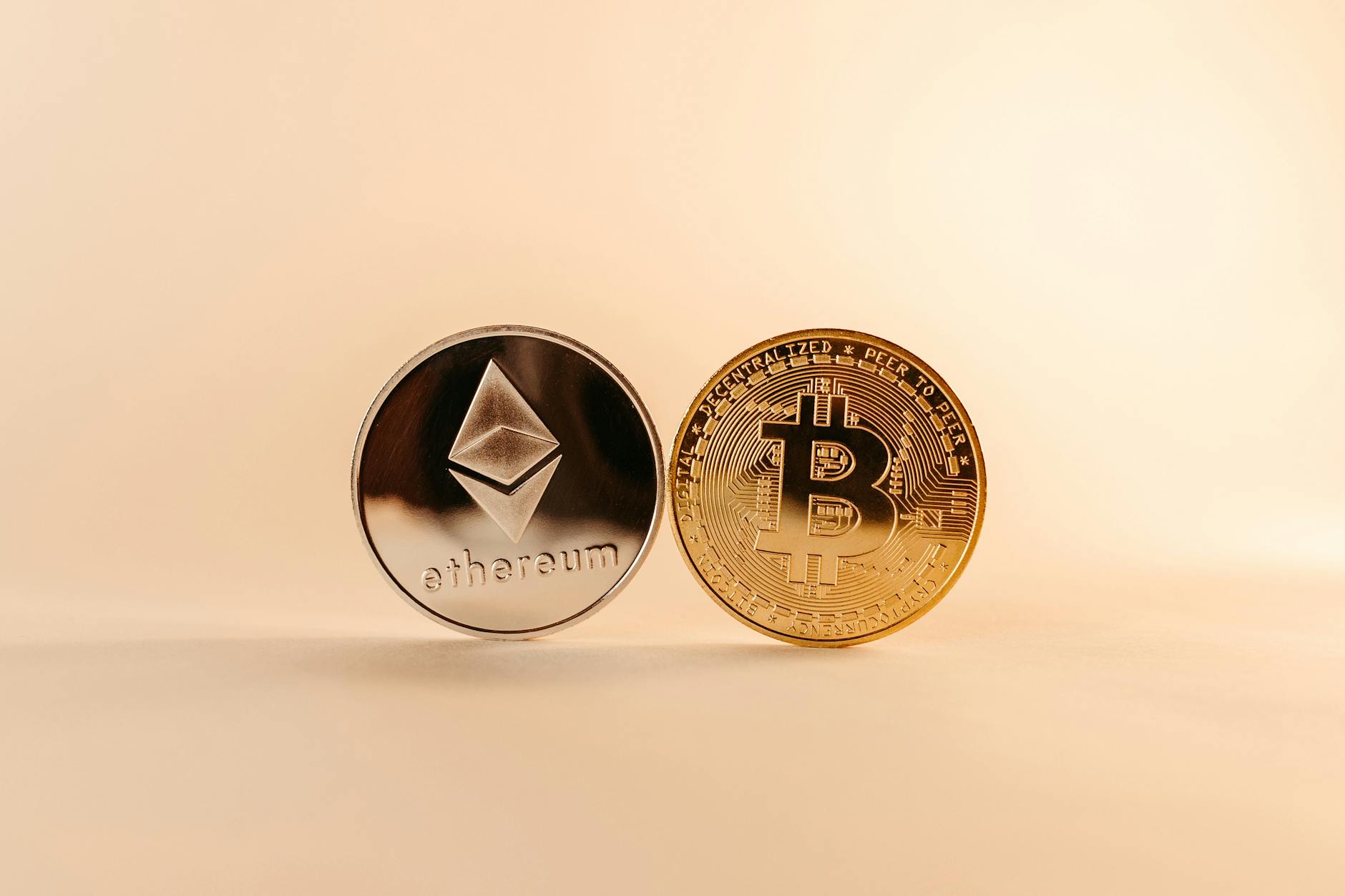
While the allure of DeFi betting is strong, understanding its operational nuances and potential pitfalls is crucial for a smooth experience. Participants typically interact with these platforms using cryptocurrencies like Ethereum or stablecoins, which are then locked into smart contracts.
Common pitfalls include high gas fees on congested networks, especially during peak times, which can eat into potential profits. Another significant risk is smart contract vulnerabilities; while generally secure, bugs or exploits can lead to irreversible loss of funds. Furthermore, the nascent regulatory landscape surrounding DeFi can be complex, and users must be aware of potential legal implications in their jurisdiction. Finally, ensuring the liquidity of the betting pool is vital, as illiquid markets can lead to poor odds or difficulty in cashing out winnings. Diligent research into the specific protocol's security audits, community reputation, and economic model is paramount.
Decentralized betting offers a revolutionary approach to wagering, leveraging blockchain technology to ensure transparency and fairness. Participants can engage in peer-to-peer betting without the need for intermediaries, fostering a more secure and equitable environment. For those interested in exploring this innovative space further, decentralized betting platforms are emerging as a compelling alternative to traditional bookmakers, providing enhanced privacy and reduced fees.
Getting Started with Decentralized Wagering: Choosing a Platform, Managing Your Crypto, and Answering Your Top FAQs
Embarking on your decentralized wagering journey requires a few crucial first steps. The primary decision is selecting the right platform. Consider factors like a platform's reputation, the range of sports or events offered, the supported cryptocurrencies, and the user interface's intuitiveness. Research reviews and community feedback to gauge reliability and fairness. Once a platform is chosen, you'll need to set up a compatible crypto wallet. This involves understanding different wallet types, such as hardware, software, or web-based, and their respective security implications. Securely managing your private keys is paramount, as losing them means losing access to your funds. Familiarize yourself with the process of depositing and withdrawing funds, paying close attention to network fees and transaction times.
Beyond platform selection and wallet management, several frequently asked questions often arise for newcomers. One common query revolves around the volatility of cryptocurrencies. While this can present both opportunities and risks, it's essential to understand that your wager's value can fluctuate. Another frequent concern is the
legality and regulatory landscape of decentralized wagering, which varies significantly across jurisdictions. Always research the laws applicable to your location before participating. Furthermore, users often inquire about transaction speeds and potential network congestion, especially during peak periods. Understanding these fundamental aspects will empower you to navigate the decentralized wagering space with greater confidence and make informed decisions.